
How Targeting in Online Video Advertising Works

Online video ads are only effective when shown to the right people at the right moment. That is why targeting strategies play such a crucial role. Below we outline the most common targeting options used in online video advertising, how they function, and what makes them valuable for advertisers.

Audience Targeting: Targeting by Demographics or Interests

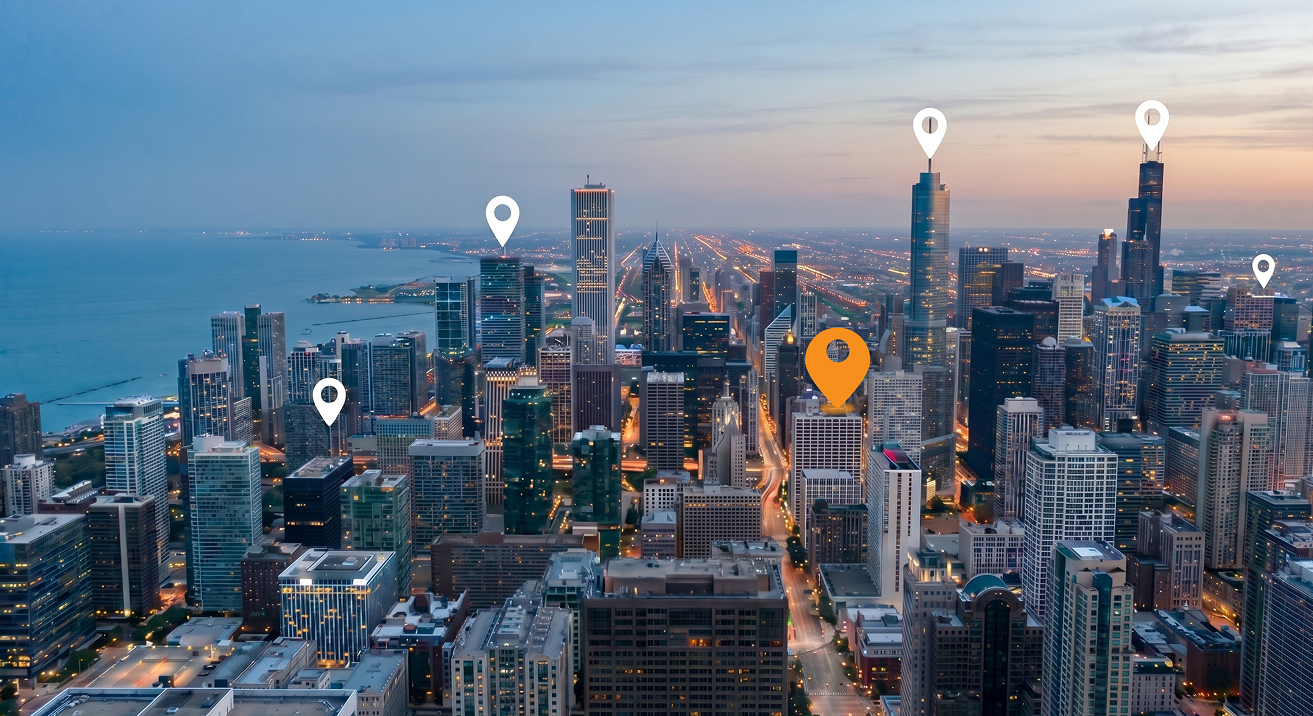
Geo targeting enables advertisers to reach viewers based on where they are, from broad regions like countries down to specific cities or even defined geographic zones. This approach is especially relevant for brands with local branches or for businesses offering services in a limited area.

A good example:

A cinema chain can ensure their video ads only run in regions where their theaters operate, avoiding wasted ad spend on users in other locations.

How does Location Targeting in Video Work?

Most location targeting for video uses the viewer's IP address to estimate their location. Internet providers allocate IP addresses based on geographic regions, and specialized databases allow advertisers to connect these addresses with physical locations. This means video ads can be delivered with precision to audiences in targeted regions, increasing relevance and efficiency.

Want to run a local or regional online video campaign?

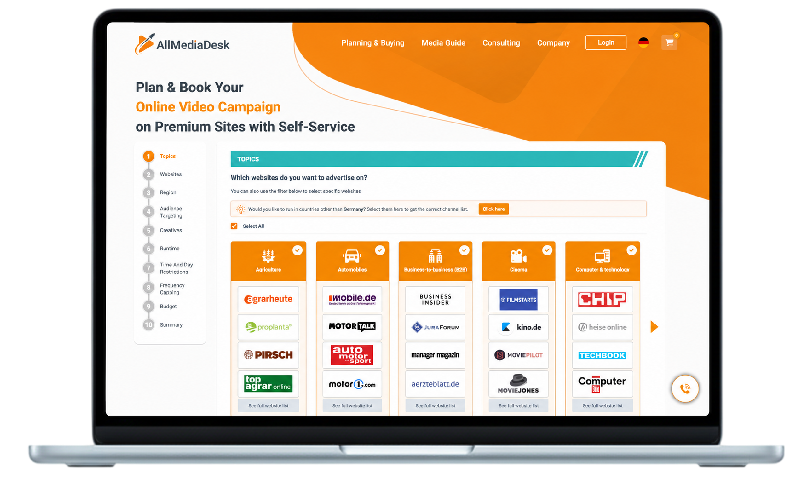
With our self-service platform, you can set up your video campaign, choose where your ad should appear, define your location settings, and launch your campaign in just a few steps.

Start planning your online video campaignStart planning your online video campaign

Audience Targeting: Targeting by Demographics or Interests

In addition to location, advertisers often want to reach viewers based on their demographics, interests, or online behavior, ensuring video ads are shown to users most likely to engage.

To achieve that there are three different approaches:

Contextual targeting icon

Contextual Targeting:

Video ads can be played on certain websites as a replacement for static banners or around video content as a preroll, midroll, or postroll spot.

Based on the theme of the website, it will attract specific viewers.

On YouTube, it is also possible to play your ad only on certain videos with a specific theme.

By selecting the right websites and video content for your video to appear on, you can ensure that your video ad is only shown to viewers who are relevant to you.

For example, if you are a car dealer, you could place your video ads on websites that focus on car topics to reach your relevant target audience.

First-party data targeting icon

Using First Party Data:

Some players like YouTube are in possession of first party data, which opens up powerful targeting opportunities for advertisers. As a platform where users are logged in with their personal accounts across devices, YouTube can leverage rich signals such as demographics, interests, search behavior, and viewing history to enable precise audience targeting.

AllMediaDesk exclusive targeting solution icon

AllMediaDesk exclusive targeting solution

As not many players have their own first-party data from login information, AllMediaDesk has developed its own data management platform that enables advertisers to use comprehensive targeting for all partners.

There, we collect a lot of data about the user, such as content viewed, device, location, and more, before delivering an ad. We also work with market research institutes and panel providers to collect information about which users consume which video content and use which devices.

Thanks to exclusive artificial intelligence, our targeting solution finds correlations and look-alikes so that campaigns can be targeted much more precisely, and the desired target group can be reached more effectively.