Online Video Ad

Formats / Tech Specs

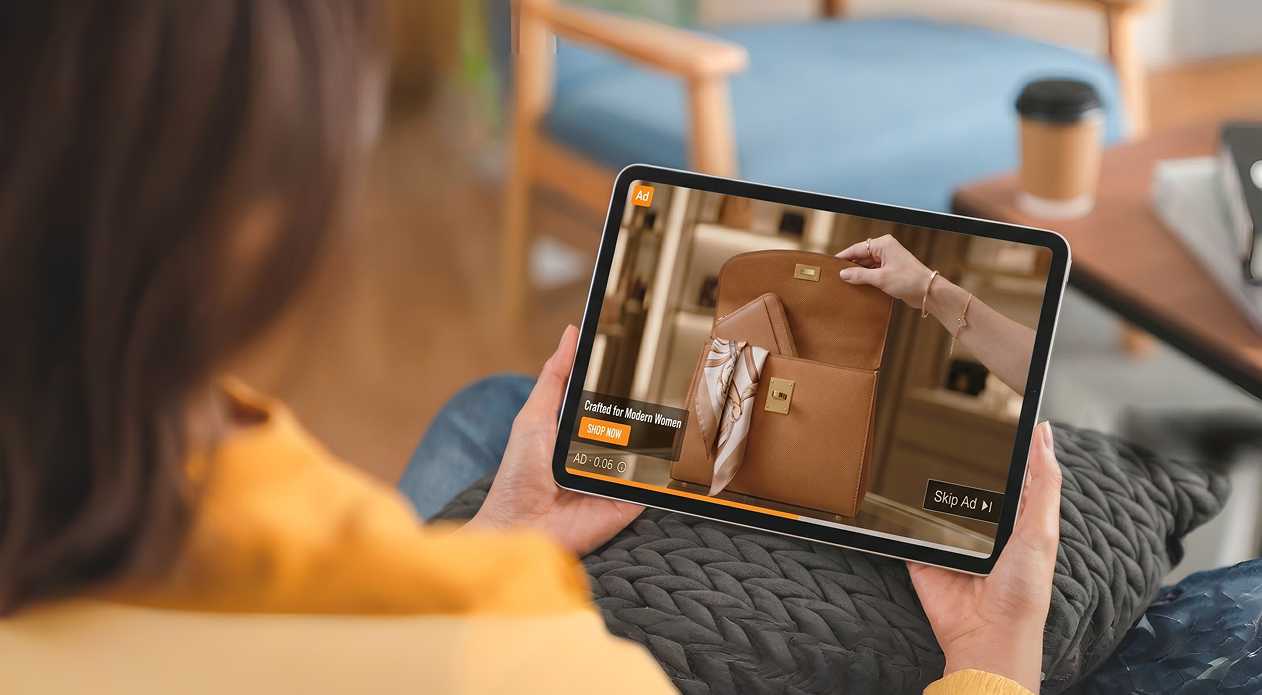
Video advertising comes in a variety of formats and can be placed in different environments from websites and mobile apps to platforms like YouTube and streaming services. Each format behaves differently, offers distinct user experiences, and suits different campaign goals.

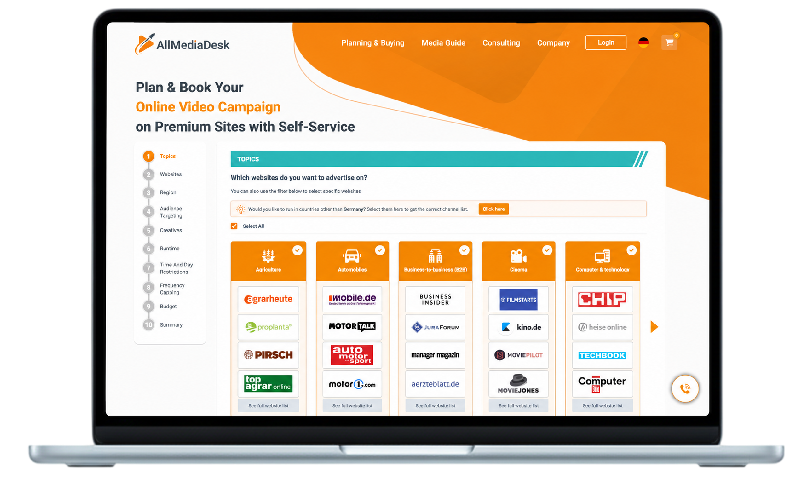
At AllMediaDesk, advertisers can book and manage video campaigns independently across premium publisher sites, YouTube, and selected streaming platforms (see our section on Streaming for this).

Common Video Ad Formats and How They Work

Video ads differ based on how they appear, how users interact with them, and where they're displayed. Below are the key formats you should know:

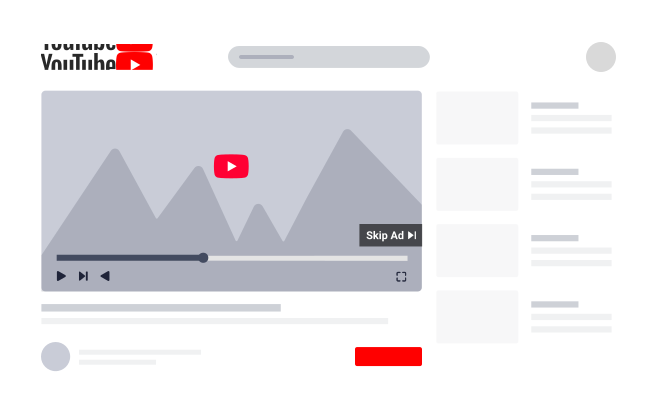
Illustration for skippable video ads

Skippable Video Ads

With YouTube being a big player in the market, skippable video ads are common since they are the standard at YouTube. These allow viewers to skip the ad after a few seconds, giving them some control over their experience.

On YouTube, these are called TrueView In-Stream Ads. They let users skip the ad after 5 seconds. While engagement can vary, this format allows for flexible storytelling and a less disruptive user journey. Amongst these, there are some special formats at YouTube.

TrueView for Action:

Adds interactive elements like call-to-action buttons to encourage clicks or conversions.

TrueView Discovery Ads (In-Feed Video Ads):

Shown in search results or alongside related videos, these invite viewers to actively choose your content.

Outside of YouTube, skippable formats are less common. Most website video placements are non-skippable, placing more importance on compelling creative from the start.
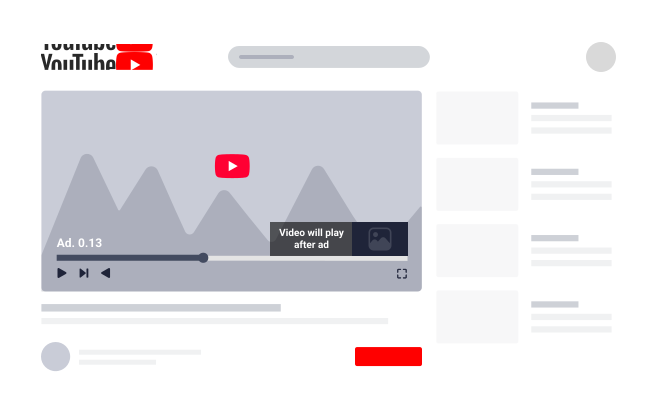

Illustration for unskippable video ads

Unskippable Video Ads

Unskippable ads ensure full message delivery but must be concise and well-crafted to maintain viewer attention. They are very common outside of YouTube.

Where Do Video Ads Appear?

Placement plays a major role in how video ads are perceived. These are the main categories:

Pre-Roll:

Shown before the main video content starts. Great for initial brand exposure.

Mid-Roll:

Appears during longer videos, functioning like a traditional TV commercial break.

Post-Roll:

Comes after the content finishes. Less common, but sometimes useful for brand reinforcement.

Outstream:

Not tied to any video content. These appear in content feeds, between text blocks, or on the side of the page especially on mobile.

AllMediaDesk allows advertisers to select placements across thousands of high-quality websites, YouTube, and streaming apps (see our section on Streaming for this) through a single platform.

How Long Should a Video Ad Be?

Ad length depends on the format and platform. While some channels allow long-form video, shorter formats often perform better in terms of completion rates and engagement.

Platform / Format Max Length Skip Option Notes
YouTube TrueView No fixed limit After 5 sec Keep under 3 mins for best results
YouTube Bumper Ad 6 seconds No High-reach, mobile-first
Non-skippable YouTube Ads 15 or 30 sec No Based on impressions
Web & Publisher Video Ads Up to 30 sec (recommended) Mostly No Under 30 sec performs best
Outstream Video Ads Flexible Usually No Autoplay muted, sound on click
Streaming Ads 15–30 sec typical No Runs like traditional TV ads

Technically, YouTube ads can be long-form (10+ minutes), but best practice suggests keeping them under 3 minutes to maintain viewer interest.

Performance Tip: Choosing the Right Format

Skippable ads give viewers the option to move on quickly, which can be a good fit for engagement-focused or opt-in campaigns. Unskippable ads ensure full message delivery but require strong creative to avoid user fatigue especially when placed mid-roll.

With AllMediaDesk's reporting tools, advertisers can see detailed metrics: where ads appeared, how long they were watched, and on which devices. These insights help inform format and placement choices in future campaigns.

People reviewing campaign performance