101 Digital Billboard Advertising

Billboards are one of the oldest and most powerful forms of advertising. Whether you are building brand awareness across a state or targeting passersby on a single street corner, out-of-home (OOH) advertising offers unmatched visibility. But if you have never booked a billboard before, the process can feel surprisingly old-school unless you know the right shortcuts.

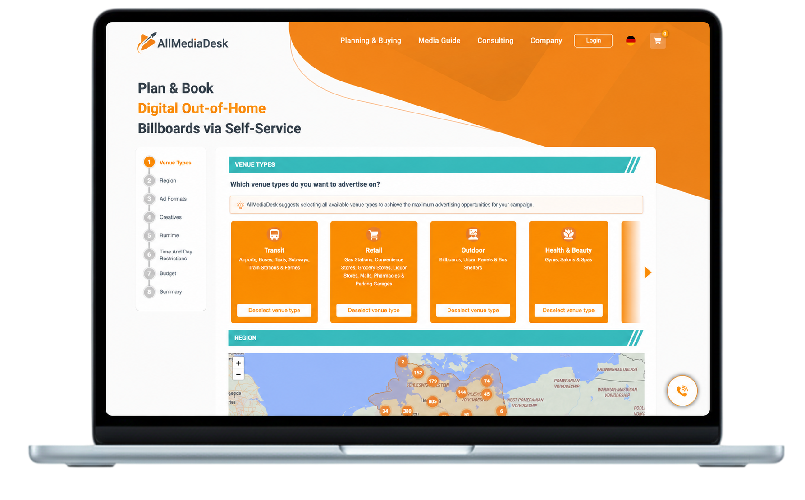
This guide walks you through how billboard booking works in the U.S., the different formats available, and how digital billboards are modernizing the industry and can easily be bought via the AllMediaDesk self-service platform.

How to Book a Billboard in the U.S.

Billboards aren't as easy to book as online ads, at least not the traditional kind.

Here is what the standard process usually looks like:

01

Define Your Target Area

Start by deciding where you want to reach your audience. Your strategy will guide your selection:

  • Nationwide Reach - Great for brand-building, product launches, or national campaigns.
  • Statewide or Regional - Ideal for retail chains, service providers, or political campaigns.
  • Hyperlocal - Focus on specific neighborhoods or locations near points of interest such as highways, shopping centers, stadiums, downtown areas, or event venues.

You can pick boards individually or target zones based on ZIP codes.

02

Identify Who Owns the Billboards

There are several providers of billboards in the USA and each company only sells the inventory they own, so you will need to work with multiple vendors if you are planning a large campaign across different cities.

That means before you can book, you need to figure out who owns the billboard(s) you are interested in.

You can:

  • Drive around and take note of billboard ID tags or logos.
  • Contact major U.S. operators like Lamar, OUTFRONT Media, Clear Channel Outdoor, or search for regional vendors.

At least for digital billboards AllMediaDesk can help with that, since we work as a universal marketplace to see where digital billboards are located and easily allow you to book multiple at once.

03

Check Availability

Traditional Billboards are exclusive placements only one advertiser can use a board at a time. That means availability is always limited, especially for high-traffic or premium locations.

Once you know who owns the boards you want, check:

  • Is the location currently available?
  • What dates can I book it for?
  • What are the costs and minimum durations?

Most boards are sold in pre-set posting periods, usually in 4-week blocks. This helps vendors manage scheduling and installation logistics.

04

Provide Creative and Print (for Traditional Boards)

If you are booking a traditional static billboard, you will need to:

  • Provide a print-ready design file (often a high-res PDF or EPS).
  • Either print and deliver it yourself or let the vendor handle printing and installation as part of a bundle.

The physical poster (typically vinyl or flex material) will be installed by a crew during the scheduled posting window.

05

Go Live and Monitor Your Campaign

After installation (or upload in the case of digital), your campaign will go live based on the booked schedule. Some vendors provide photos of the posted board as proof of performance. For digital campaigns, you will often get play reports showing how often your ad ran and estimated impressions.

The rise of digital billboards makes this process way easier, but we will talk about this in a later paragraph.

Types of Billboards

Billboards come in various shapes and formats. Here are the main ones:

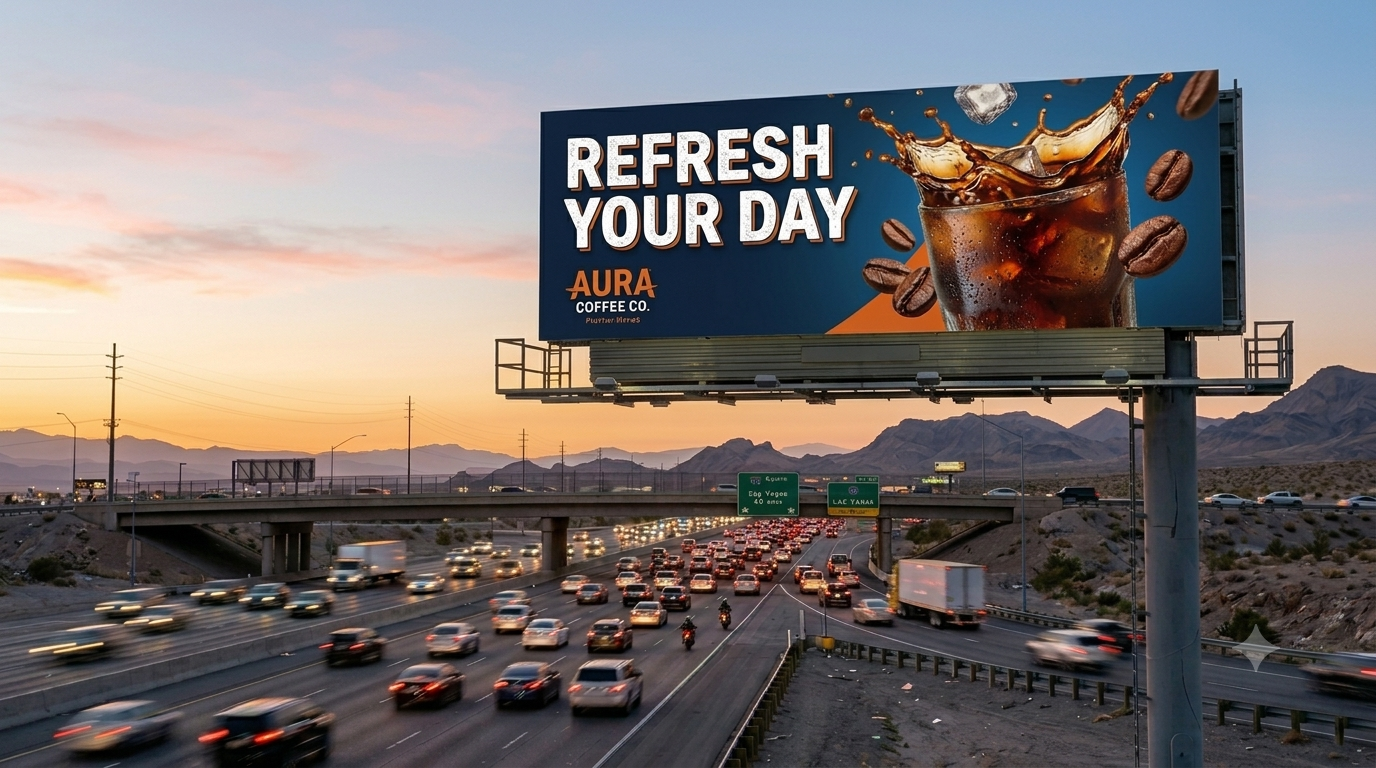
Large roadside billboard

Bulletins

The classic large-format boards you see along highways. Great for big branding.

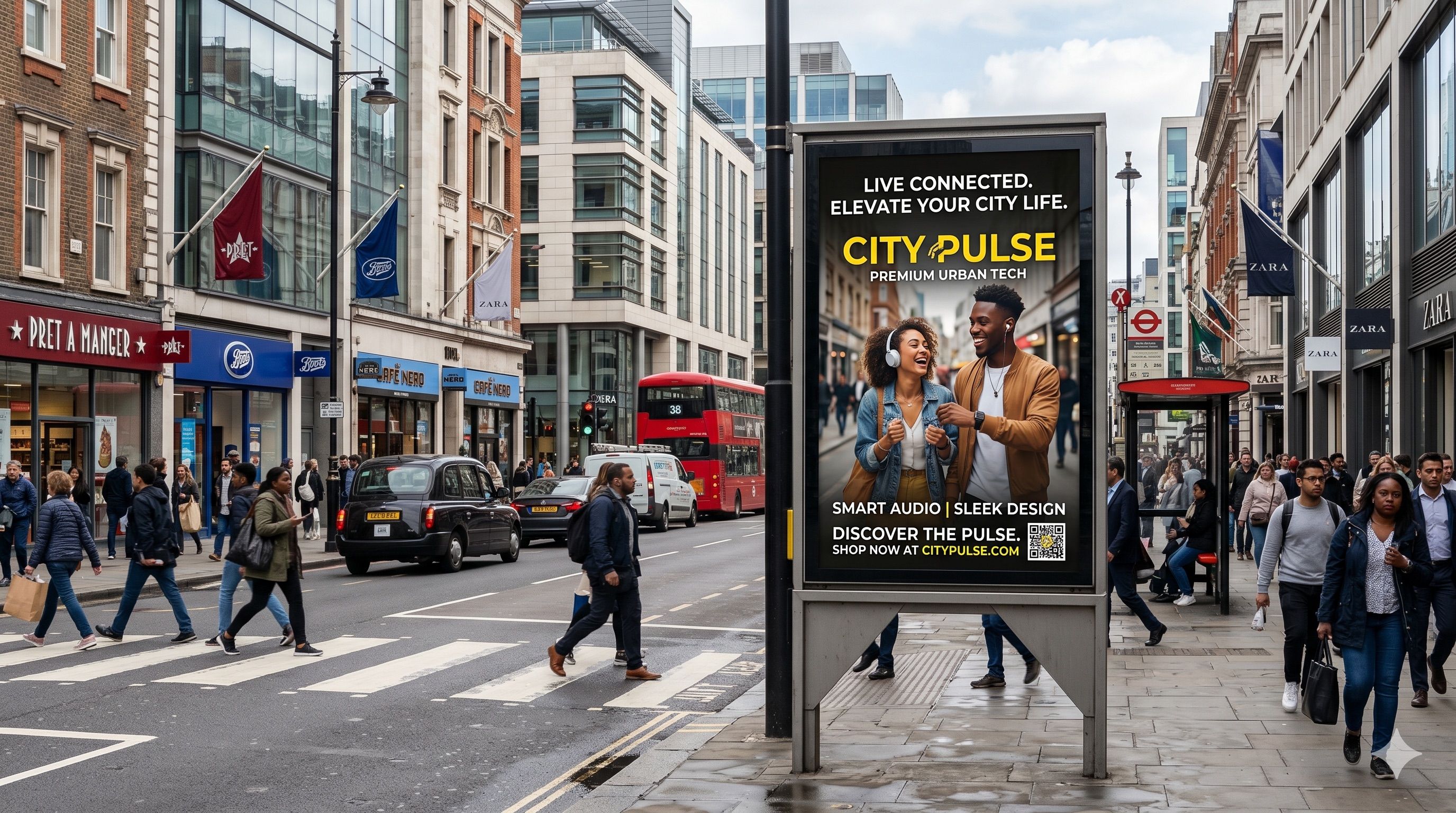
Urban billboard poster

Posters (30-sheet)

Slightly smaller, often used in urban areas with high foot or vehicle traffic.

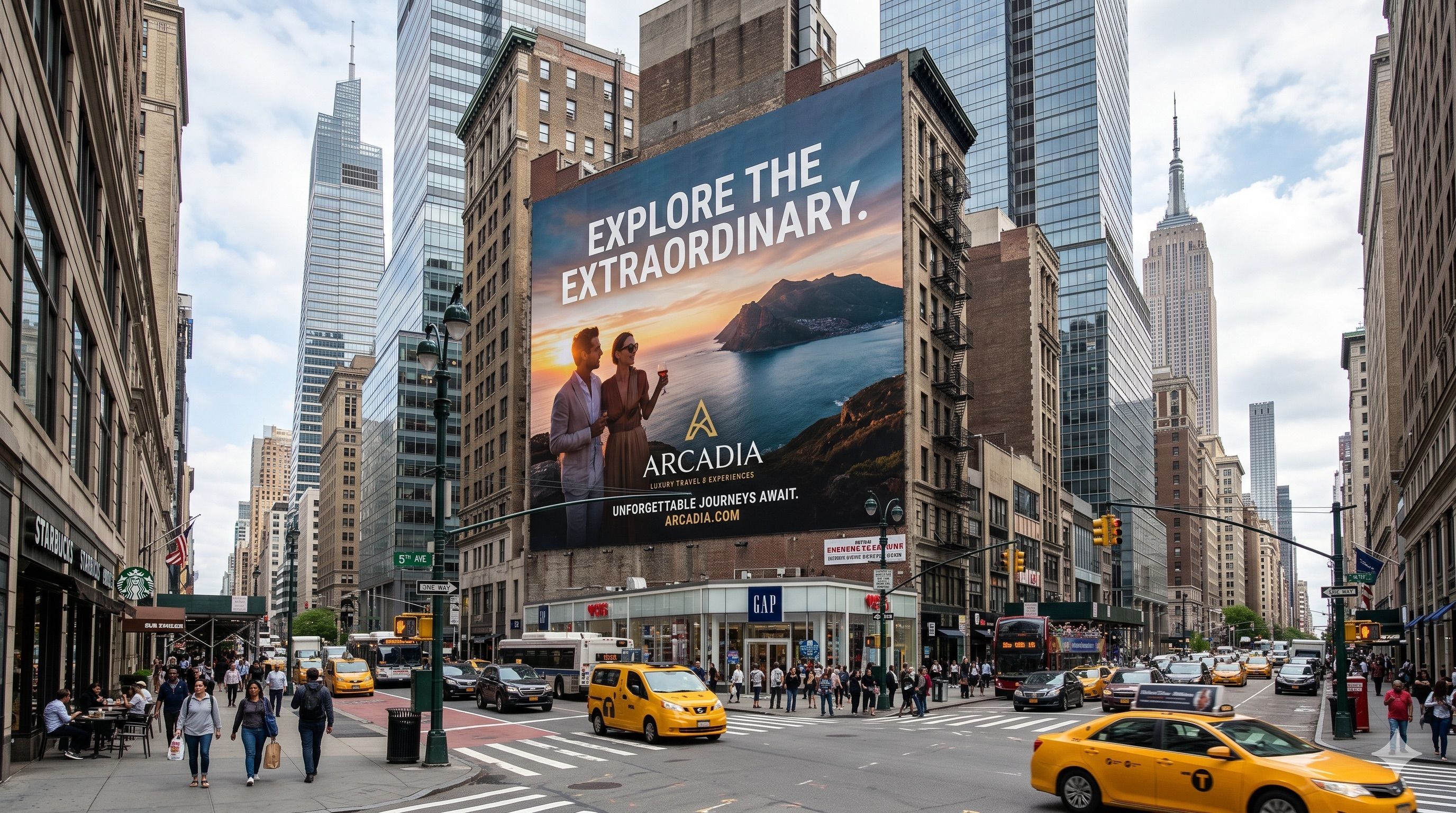
Wallscape billboard

Wallscapes

Murals or large-format posters on the sides of buildings, often in premium downtown areas.

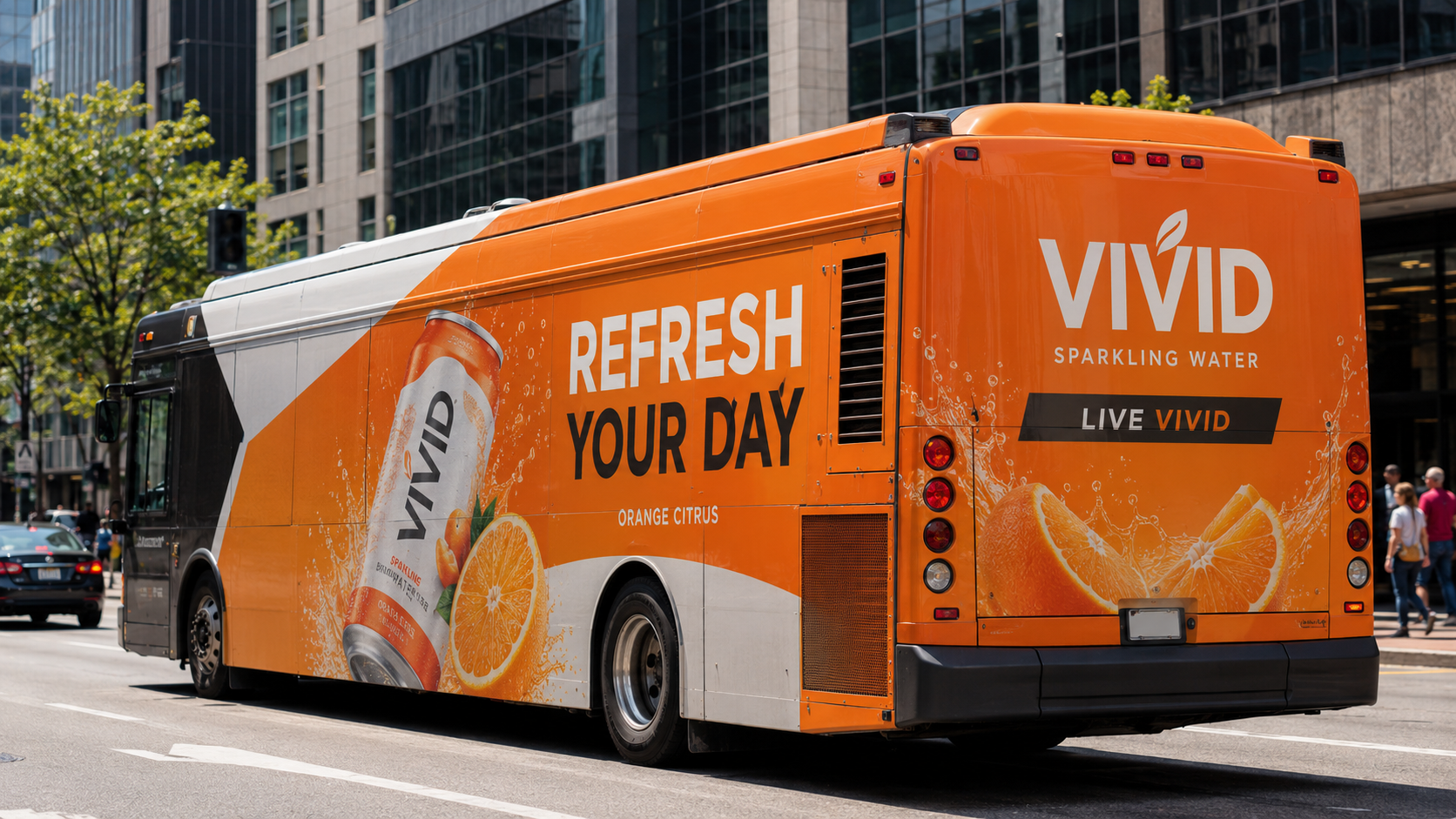
Transit billboard

Transit Billboards

Ads on buses, trains, and in stations technically not billboards, but similar buying processes.

Each format serves a different purpose. Explore our guide to billboard formats to find the best fit for your campaign.

Big Trend: Digital Billboards (DOOH)

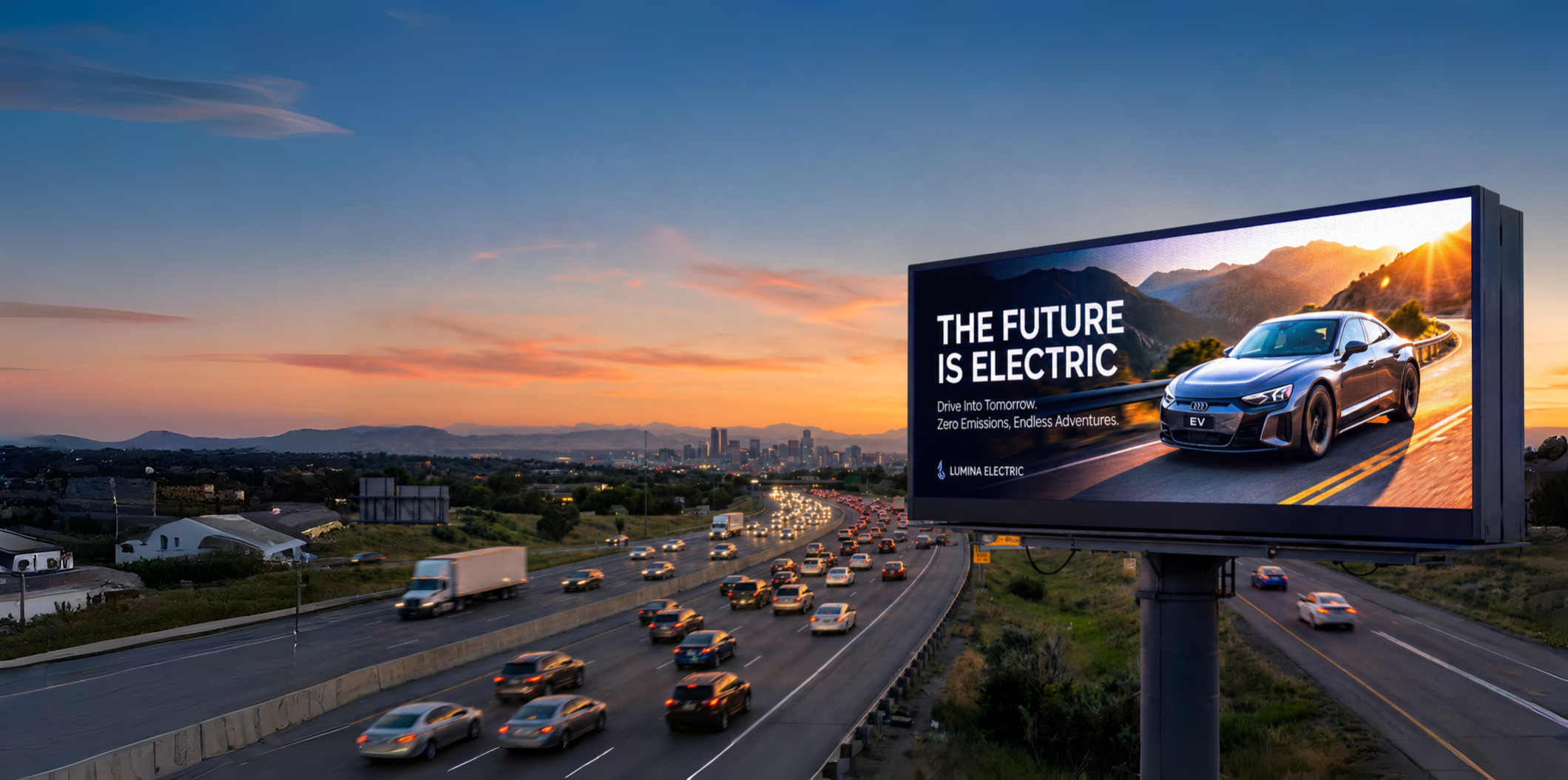
Digital Billboard or Digital Out of Home (DOOH) is a fast-growing segment of the industry. Instead of printing and posting a static message, your ad plays on a digital screen often rotating with other advertisers every 6 to 10 seconds.

Why Digital is a Big Deal:

  • Flexibility: Book by the day or hour, not just fixed 4-week blocks.
  • Targeting: Use dayparting (morning/evening), weather triggers, or contextual messaging.
  • No Printing Required: Upload your creative digitally.
  • Buying over one platform: Many digital boards can be bought like online ads priced by CPM (Cost per 1,000 impressions) instead of flat time rates.

Digital billboards are ideal for campaigns that need to move fast, adapt quickly, or target specific times or events.

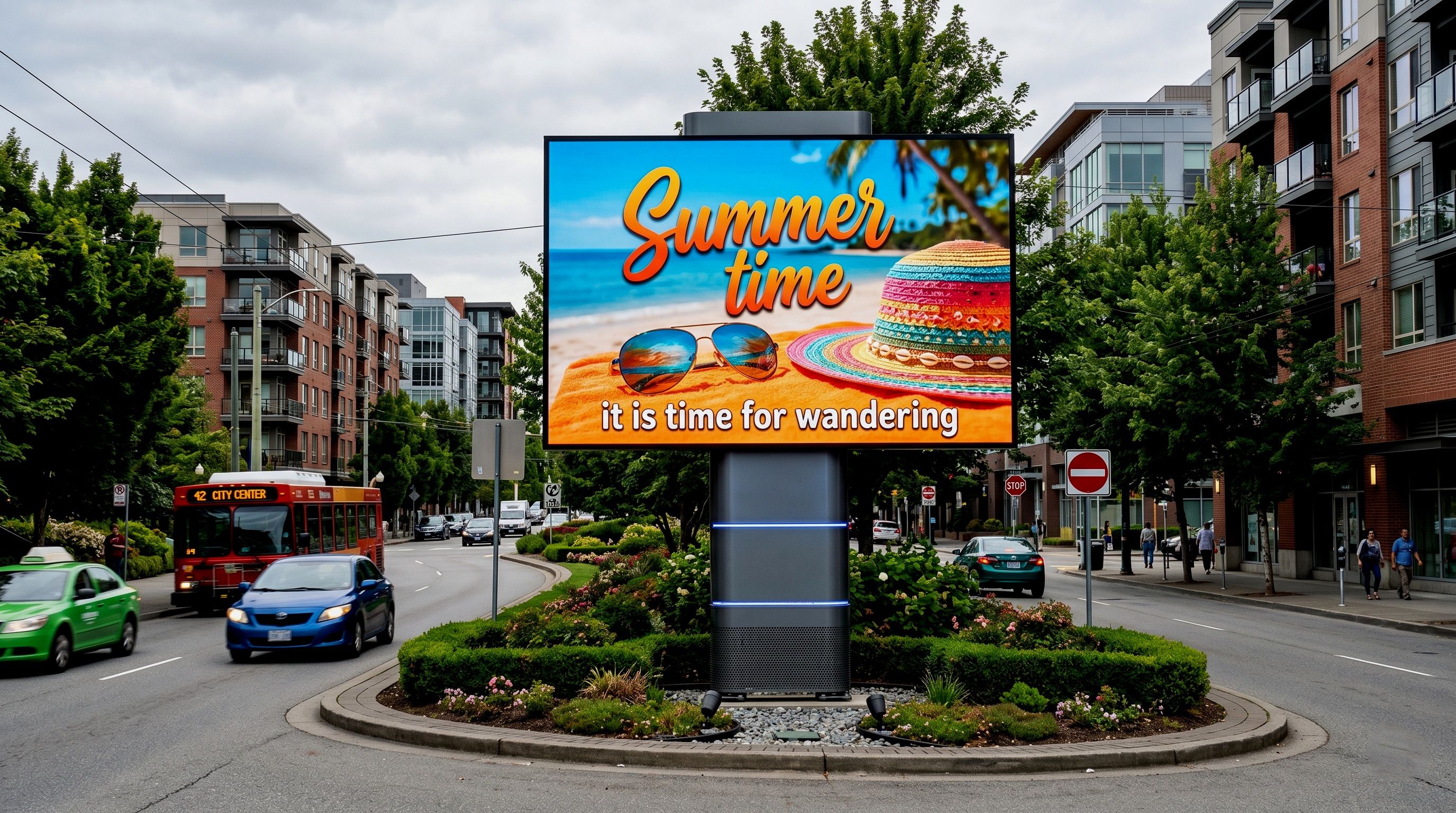
Digital billboard in an urban area

Quick Comparison: Traditional vs. Digital Billboards

FeatureTraditional BillboardsDigital Billboards (DOOH)
Booking PeriodFixed, typically 4 weeksFlexible, by day, hour, or week
Creative FormatPrinted vinyl or postersDigital files such as JPG or MP4
Buying ModelFlat rate for time slotCPM, pay per impression
FlexibilityLow, set dates and locationsHigh, rotating slots and dynamic ads
Installation NeededYes, posted manuallyNo, uploaded to a digital system
Buying ProcessManual, multiple vendorsStreamlined via AllMediaDesk

Your Strategy: Local or Scaled?

When planning a billboard campaign, you can think in two strategic directions:

Hyperlocal

Select exact billboard locations near your business or in areas where your audience is concentrated. This is common for restaurants, local services, events, or political campaigns.

Regional or National Reach

Use outdoor as a mass media channel, running the same creative across dozens or hundreds of screens in multiple cities. Especially powerful with digital boards, where bookings and reporting can be centralized.