How Targeting for
Online Display Ads
Works
One of the key factors in making display ads effective is targeting, ensuring that the right people see the right ads at the right time. Below, we explain the main targeting methods, how they work, and why some are more advantageous than others.

Geo-Targeting
Geo-targeting allows advertisers to reach audiences based on their physical location, whether by country, cantons, region, city, or even specific coordinates. This method is particularly useful for businesses that operate in specific areas or offer location-based services.
For instance, a restaurant chain can show ads only to users in cities where it has locations, ensuring that marketing efforts are focused on potential customers rather than wasted on irrelevant audiences.
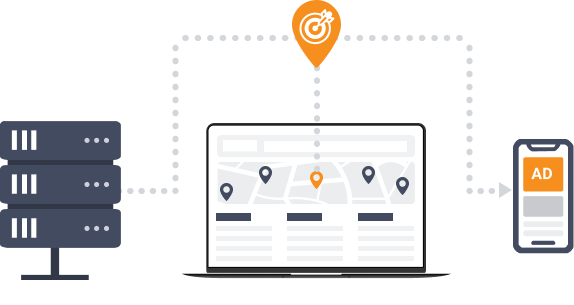
How does Geo-Targeting work?
One common way geo-targeting works is by using a user's IP address to determine their approximate location. This works since most internet service providers tend to give specific IP addresses only to specific geo locations. This data is available in big databases and advertisers can use this data to ensure their ads are displayed only to users within specific locations, making their campaigns more relevant and efficient.

In addition to geographic location, advertisers are also interested in the socio-demographic data or interests of users to ensure that advertising is more likely to be delivered to users who are interested in the service. There are several ways of achieving this on the market:
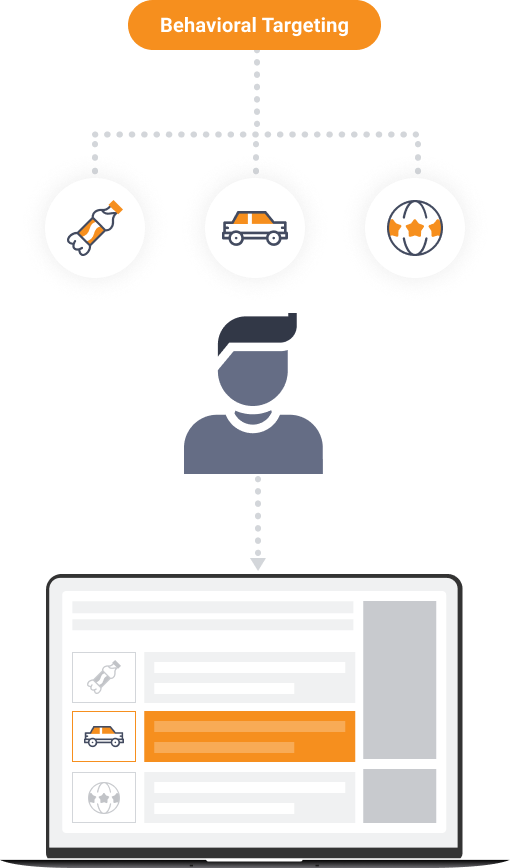
Behavioral Targeting
One way to find out more about users is to track their behavior. To do this, tracking providers work together with a network of different websites. Every time a user opens a website from this network, the tracking provider either marks the user's device with a cookie or, if it is already marked, writes it to a database to indicate that this user has also opened this page.
Using this data and a broad network of websites with which the providers work, they can get a good picture of which websites the user visits.
In addition to tracking website history, data providers use ads to ask users to take part in a survey. Since some of them participate in the survey, they now have not only the website history of some users, but also a good understanding of the socio-demographic and interest data collected through the survey.
Due to the fact that they only have this survey data for a small portion of users, they now use static approaches to predict what socio-demographics a person has based on website visit history by finding a statistical twin with a similar website history.
Advertisers can pay tracking providers to use this data to serve ads.
In recent years, especially because of growing privacy concerns and browser changes around third-party cookies, many advertisers have stepped away from using this type of data.
First-Party Data Targeting
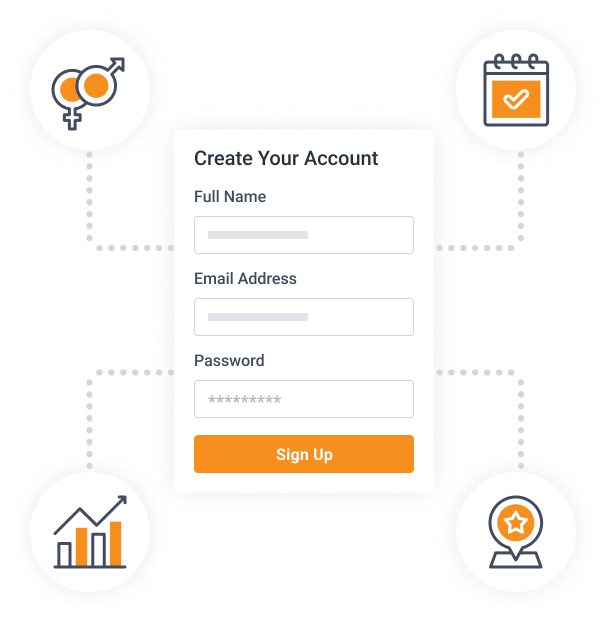
First-party data targeting uses information collected directly from the websites on which the ad is placed. For example, websites may ask users to register for services and collect information about age or other socio-demographic data during that process.
Advertisers can then negotiate with media owners about the use of this data for campaign targeting. Since only a limited number of media channels have this data, and the available data varies greatly between publishers, it is often difficult for advertisers to use it consistently across a campaign.

Website-Based Targeting (Contextual Targeting)
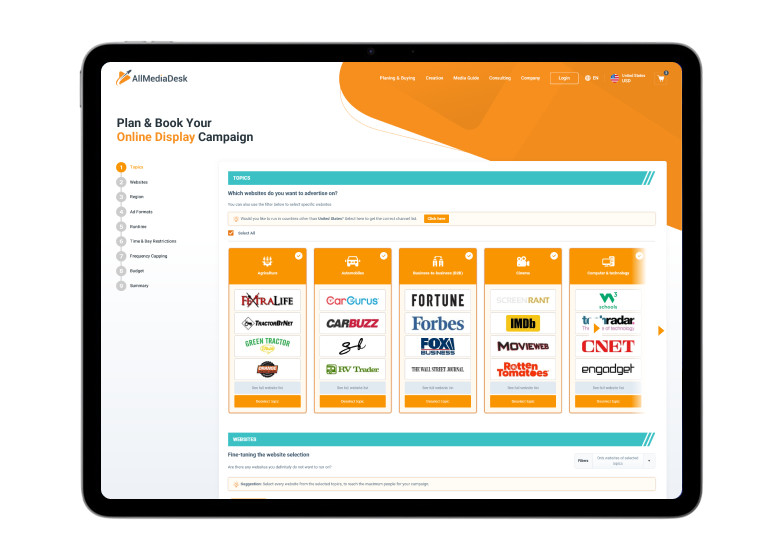
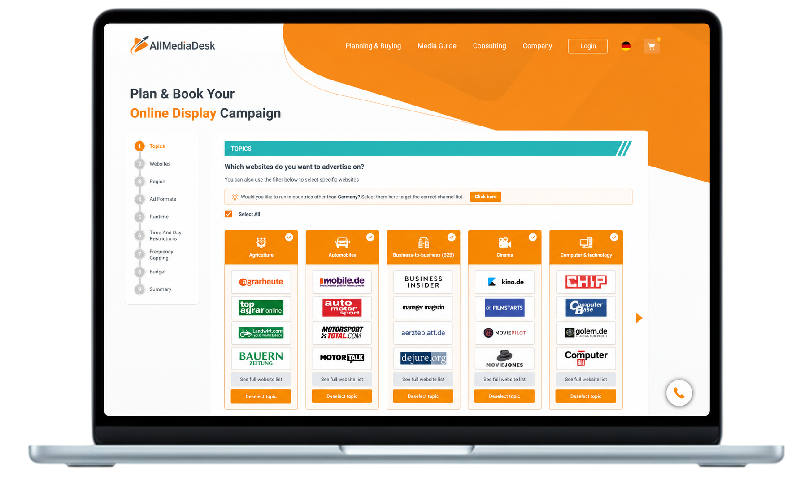
One of the most straightforward and effective methods of targeting is website-based targeting, also known as contextual targeting. This approach involves selecting specific websites based on their content and topic relevance to the advertised product or service.
For example, a company selling high-end travel gear may choose to place ads on travel blogs, adventure magazines, or airline websites. Since the users visiting these sites are already interested in travel, the likelihood of engagement is significantly higher.
Re-Targeting or Remarketing
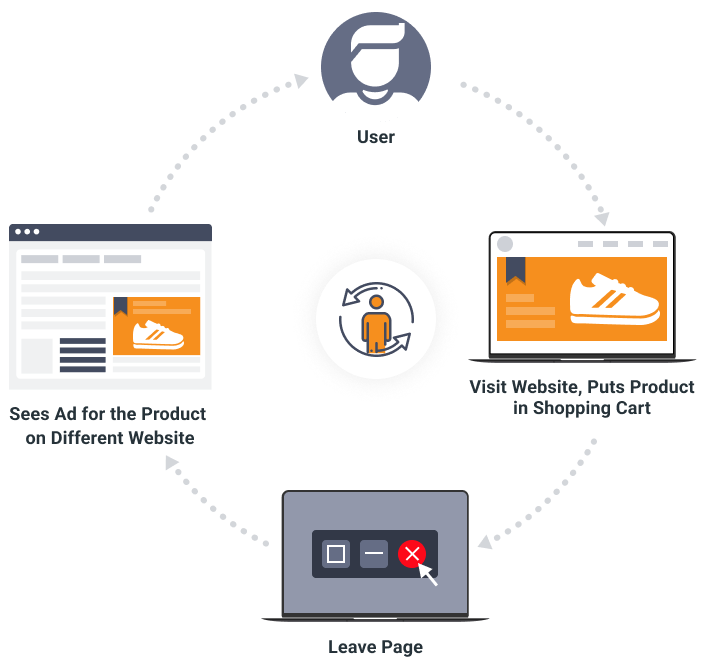
Retargeting is a digital advertising strategy that targets users who have previously visited a website but did not complete a desired action, such as making a purchase or signing up. By using cookies, advertisers can mark these users on their website and later find them again on other websites where ads are booked. These ads remind users of the brand and encourage them to return and convert.
To make retargeting successful, you usually need to work together with a partner such as an ad network or a platform like AllMediaDesk that has access to a broad network of websites. Otherwise it is difficult to find those users again at scale. Retargeting also requires technical changes on your website, because you need to integrate partner code so that the audience can be recognized again in the network.
Please note that AllMediaDesk does not offer retargeting at this point.